
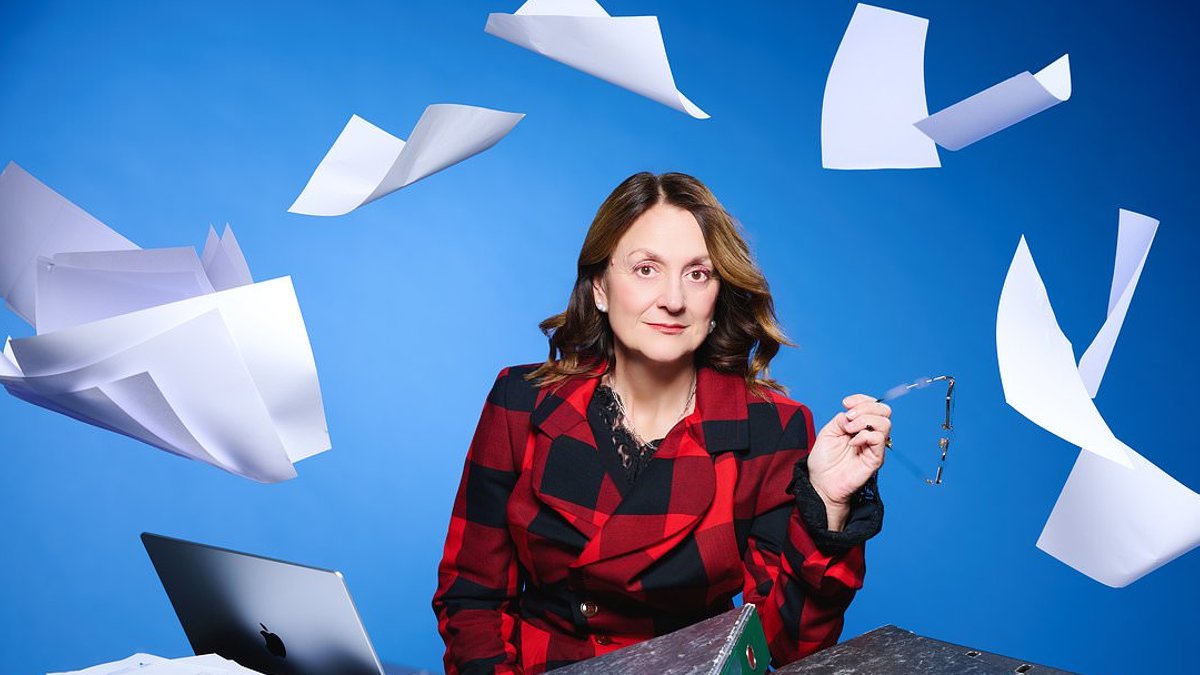
For middle-class women in their 40s and 50s, redundancy, divorce, or illness can dismantle years of financial stability within months. The emotional impact is severe, particularly when decades of career progress vanish after a single setback.
Research by Google revealed women over 55 face exclusion in the workplace due to younger, male-dominated tech roles. Automated hiring systems, often biased against older candidates, frequently reject resumes with employment gaps or non-traditional career paths. A former high earner may suddenly compete for jobs alongside recent graduates.
Stacey Duguid, once a fashion editor, described her shift from a high salary to job center queues after taking time off following a divorce. Her experience reflects a growing risk for women who assumed their careers were secure.
Financial independence isn’t optional
Clare Moffat, a tax and pensions specialist at Royal London, emphasizes women must engage actively with their finances, even when sharing responsibilities with a partner. “Financial independence doesn’t require managing everything alone,” she explains. “It means having enough knowledge and confidence to avoid being left unprepared if circumstances change.”
Regular discussions about savings, investments, and debts are essential. Women should also grasp their household’s financial situation—not just daily expenses, but long-term assets like pensions and property. Those who leave money matters to partners often discover complications too late.
Moffat cites her mother, a teacher whose income sustained the family when her father lost his job in the 1990s. Financial resilience benefits the entire family, not just the individual.
During divorce or redundancy, pensions are frequently overlooked despite being the second-largest asset after the family home. Many women don’t realize they can claim a share of an ex-partner’s pension or use its value to balance other assets.
Related: Investors Cautioned as Certain Stocks Falter
Redundancy payouts, if not needed immediately, can be directed into a pension for tax efficiency.
Cash is king—but not the only tool
An emergency fund serves as the first line of defense. Financial advisers recommend saving six to twelve months’ worth of expenses.
Cash alone won’t secure long-term wealth. Inflation gradually erodes savings, making investments a necessary addition. Studies indicate women often invest more effectively than men. They trade less, avoid impulsive decisions, and prioritize steady growth. Over two decades, that advantage compounds into a meaningful difference.
Consistency matters most for new investors. Even £25 a month into a diversified fund can grow into a substantial sum. ISAs, with their tax-free growth, are ideal for midlife savers.
Skills and networks matter more than ever
AI is transforming the job market, leaving women over 55 vulnerable. Only 4% in this age group are advanced AI users, according to research commissioned by Google’s UK head, Kate Alessi. The barrier to entry remains low, however. Free government-backed courses, like those at AI Skills Hub, help women develop skills quickly.
Technology isn’t the sole solution. Personal networks—friendships, professional contacts, and mentors—often prove more valuable than algorithms. A biased hiring tool might reject a resume, but a former colleague who remembers your work won’t.
Self-employment offers another route. The author, Ruth Sunderland, left a full-time executive role to launch her own business. The work demands more effort, but the control makes it worthwhile. For women facing age discrimination in traditional workplaces, freelancing or consulting can provide stability.
Related: Malaysia attracts stable capital through passive investing
LinkedIn profiles should stay updated, even for those in stable jobs. A sudden layoff becomes easier to handle when opportunities are already available.
When crisis hits, don’t rush
The period immediately after a financial shock—divorce, redundancy, or illness—is the worst time to make major decisions. Selling a home, cashing out a pension, or accepting a low settlement can have lasting consequences. Louise Oliver, a financial planner specializing in midlife women, notes clients often contact her when emotions run high. “They feel more comfortable with a female adviser,” she says, “but anyone in that situation should pause first.”
Professional advice isn’t free, though initial consultations often are. Websites like Unbiased and VouchedFor connect women with regulated advisers. A single session won’t solve everything, but it can prevent expensive errors.
Richard Watkins, a chartered financial planner, observes full financial crises among professional women are uncommon. “Women today earn more and may inherit more than previous generations,” he notes. “They’re capable of handling financial decisions.”
The Rent a Room scheme provides an additional income source. Homeowners can earn up to £7,500 annually tax-free by renting a spare room. Monetizing a hobby—baking, tutoring, or crafting—can also create a financial cushion. One woman in her 60s turned her sea-glass jewelry hobby into a profitable side business by offering workshops.
Midlife financial crises don’t have to define the future. Small, deliberate actions—building savings, investing wisely, upskilling, and seeking advice—can turn a setback into an opportunity. As Moffat states, “A setback in your 40s or 50s doesn’t mean you can’t rebuild.”


