
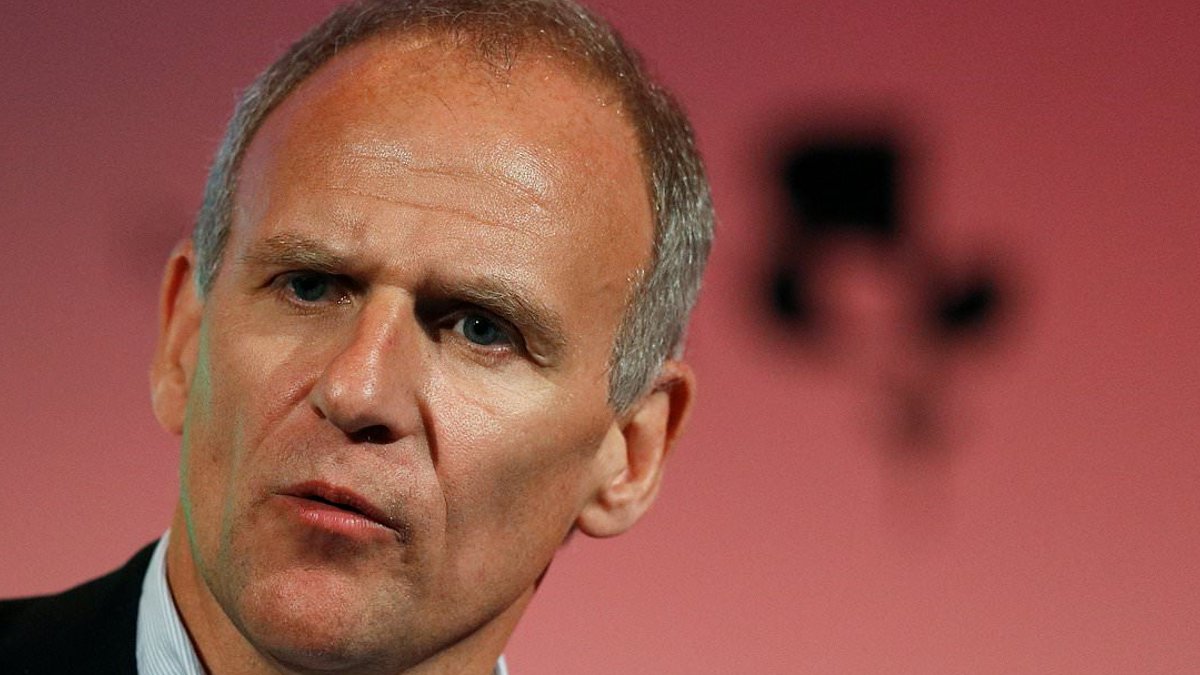
Diageo’s new chief executive Dave Lewis is slated to detail a restructuring plan that could involve significant job reductions during the company’s capital markets day on Thursday, 6 August.
Leadership change and upcoming announcements
Lewis, who assumed the role in January after a stint leading Tesco, has been dubbed “drastic Dave” by industry observers. The FTSE 100 group, known for brands such as Guinness, Johnnie Walker and Smirnoff, has struggled with a declining share price, slipping more than 50 percent over the past five years despite a modest 2 percent rise this calendar year.
During the capital markets event, the board will also release financial results for the year ending 30 June. Analysts forecast a 2.1 percent drop in annual sales to roughly £14.5 billion, primarily due to weak demand in the United States. Profit is expected to hold steady at about £4.1 billion.
Earlier reports suggest that employees have been briefed on possible cuts, with some teams slated for reductions of up to 50 percent and certain office locations earmarked for closure. The exact scope of the workforce changes will be clarified at the Thursday briefing.
Related: Leo Sayer’s 1970s Hit Still Nets £200k
Strategic focus on product mix
Lewis’s plan appears to emphasize a more competitive portfolio, targeting growth in the “ready‑to‑drink” canned segment and adjusting pricing to attract cash‑conscious shoppers. The strategy also aims to capitalize on recent momentum for Guinness, which has seen rising sales among younger female consumers in Europe, aided in part by celebrity endorsements from artists such as Dua Lipa and Olivia Rodrigo.
While spirits sales have softened in the United States and Latin America, the company hopes that the upcoming World Cup period—from June through July—will provide a seasonal boost to overall revenue.
Chris Beauchamp, chief market analyst at IG, noted that “Diageo has the potential to be one of those alternatives to AI that investors are so keen on at present, but there is a lot of work to do.”
Investors will watch the announcements closely for signs of turnaround after a prolonged slump.
The focus on ready‑to‑drink products mirrors broader industry trends where convenience and lower‑alcohol options are gaining traction, suggesting that Diageo is aligning its portfolio with evolving consumer preferences.
Related: Liquids Pipelines Face Another Rate Hike in July
In the middle third of the discussion, it is worth noting that Diageo’s situation resembles past turnarounds at other large consumer‑goods firms where a decisive leadership change was paired with a swift overhaul of product lines and cost structures. Those precedents show that decisive cuts, while painful, can sometimes free resources for investment in higher‑growth categories, though success is never guaranteed.
Beyond the restructuring, the firm’s performance will be judged against its ability to sustain growth in emerging segments while stabilizing its core whisky and vodka businesses. The upcoming financial release will provide the first hard data point on whether the new strategy is beginning to bear fruit.
Investors and market watchers will leave the capital markets day with a clearer picture of how Diageo plans to manage the challenges ahead, balancing cost reductions with a push into newer product formats.
Industry analysts also point out that the shift toward cans aligns with supply‑chain efficiencies, as lighter packaging reduces shipping weight and lowers carbon footprints.


