
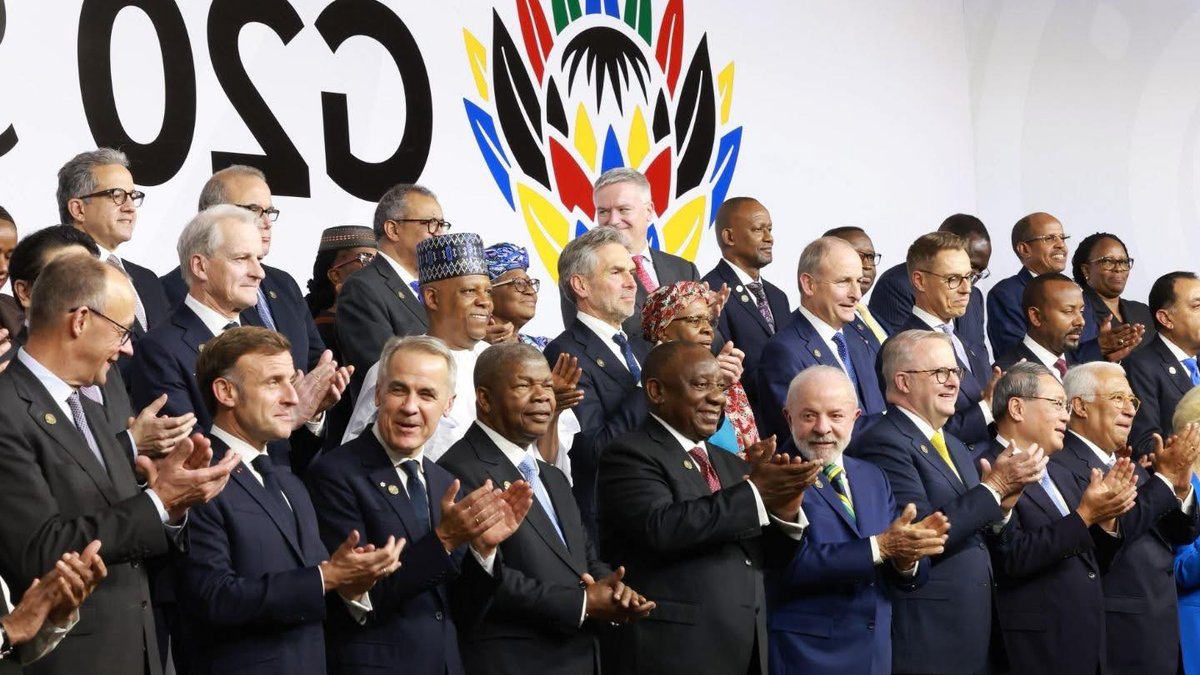
A new G20 roadmap urges formal recognition of Cultural Intellectual Property within macroeconomic frameworks. This initiative, led by the African Union Development Agency (AUDA-NEPAD), AXM, and the Africa Investor (Ai) Group, aims to position Africa’s creative industries as a driver of economic growth.
According to UNESCO and WIPO, cultural intellectual property contributes an estimated $2.3 trillion to global GDP annually and supports 30 million jobs. Despite these figures, cultural industries remain largely absent from fiscal models.
The Economic Potential of Africa’s Creative Sectors
In Africa, the creative sectors could generate over $20 billion annually if intellectual property systems were fully formalized, according to the African Development Bank. McKinsey estimates that generative AI could unlock up to $7.9 trillion in annual economic value, driven by the data that trains these models.
The roadmap provides a framework for governments, multilateral institutions, and investors to establish systems that can unlock culture as an investable public asset. It aligns with the African Union’s Agenda 2063, emphasizing digital sovereignty and new pathways for African nations to own and monetize their creative assets.
Culture as Economic Infrastructure
Pamla GoPaul, Senior Programme Manager at AUDA-NEPAD, stated, “We’re mapping an opportunity to build long-term value for African creators and economies.”
The roadmap encourages governments to integrate authorship and intellectual property governance into national accounts, investors to recognize cultural intellectual property as an asset class, and multilateral institutions to provide guarantees that scale these markets.
Cultural works, from music and art to digital data, are increasingly seen as critical national infrastructure. However, the rights and governance systems surrounding these assets remain fragmented.
Addressing Fragmentation in Cultural IP Rights
Dr. Hubert Danso, Chairman and CEO of the Africa Investor (Ai) Group, remarked, “Culture is not only memory; it is a macroeconomic engine.” By aligning policy with innovation, we propose a path to value, protect, and invest in culture as a productive public good.”
Archie Davis, Co-Founder of AXM, noted, “The world profits from culture, but too often through extraction, not partnership.” Linking cultural intellectual property to macroeconomic frameworks creates a pathway for equitable participation in the global digital economy.”
AXM’s Authorship DPI Standard modernizes the registration, governance, and licensing of cultural and creative assets, giving them a legal, digital, and economic presence. This patent-pending system transforms authorship into programmable infrastructure, making it measurable, enforceable, and interoperable across human and machine contexts, including AI training and outputs.
The Role of Digital Public Infrastructure
The AUDA-NEPAD Africa Policy Bridge Tank connects African research institutions and decision-makers to co-create evidence-based solutions aligned with Agenda 2063. It promotes inclusive discussions and South-South cooperation, contributing to reshaping global governance frameworks and advancing Africa’s agency in multilateral forums.
It facilitates the co-production of policy-relevant knowledge, strategic foresight, and systems thinking to inform development strategies at national, regional, and continental levels.


