
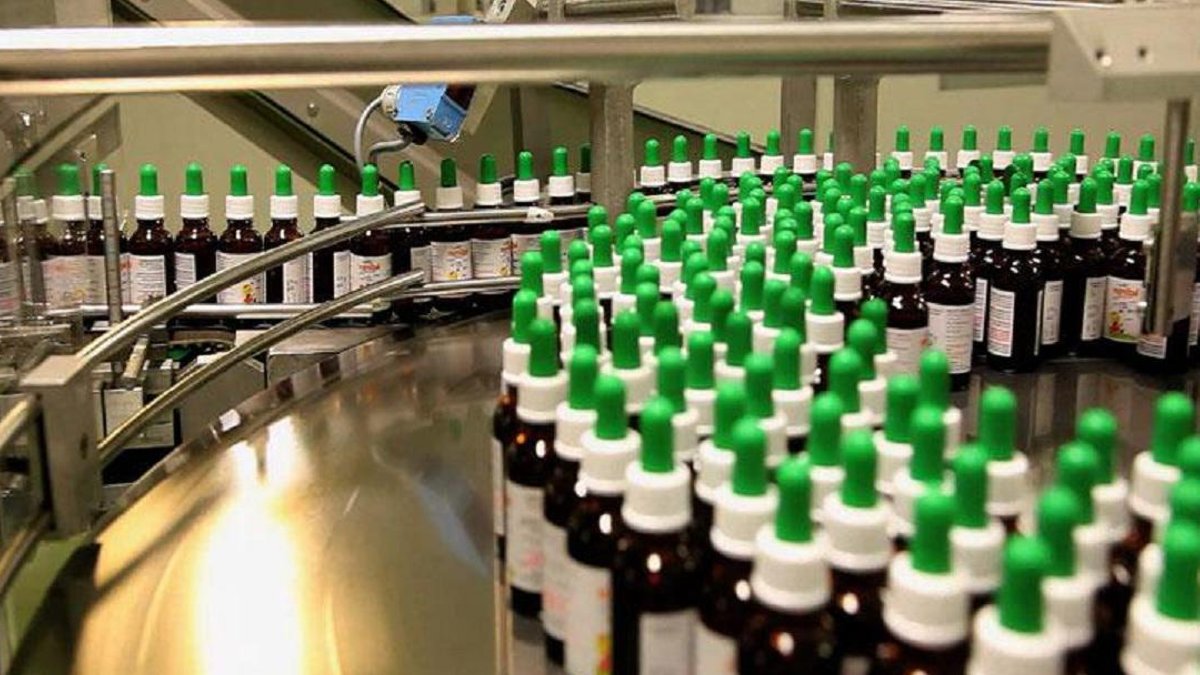
Africa’s pharmaceutical industry is poised for rapid expansion, with its market projected to grow from $18 billion in annual demand today to between $56 billion and $70 billion by 2030. Currently, 61% of medicines consumed on the continent are imported, while 36% are produced locally but rarely exported. The shift toward self-sufficiency gained urgency after COVID-19 exposed Africa’s vulnerability when global vaccine supplies prioritized other regions. The pandemic showed how reliance on foreign pharmaceutical imports left the continent ill-prepared, with delays in vaccine shipments highlighting systemic gaps in supply chain resilience.
Africa provides 12% of global exports of vital minerals used in medicine production. South Africa, as the world’s top exporter of titanium and platinum, plays a key role in producing essential medical devices. This resource base, combined with a population expected to reach 2.5 billion by 2050 and a growing middle class with increased healthcare access, positions Africa as the only major region with untapped potential for pharmaceutical growth. The continent’s demographic trajectory and expanding healthcare infrastructure create a unique opportunity for sustainable industry development.
By 2017, Africa’s pharmaceutical sector was already worth $28.56 billion, up from $5.5 billion a decade earlier. The 2023 African Pharmaceutical Market Outlook by Goldstein Research highlights three key drivers: population growth, urbanization, and rising demand for healthcare services. Unlike mature markets, Africa’s industry remains underdeveloped, offering room for foreign investment and local expansion. The continent’s relatively undeveloped pharmaceutical market presents significant opportunities for international investors seeking to establish manufacturing hubs, while local firms can capitalize on growing domestic demand and emerging regulatory frameworks.
Africa’s Vaccine Manufacturing Push Accelerates
The push for domestic production gained momentum after COVID-19 delayed vaccine shipments to Africa. The African Union (AU) and African Centre for Disease Control and Prevention (Africa CDC) now aim for 60% of Africa’s vaccine needs to be locally produced by 2040, up from less than 1% today. The Partnerships for African Vaccine Manufacturing (PAVM), launched in 2021, coordinates efforts to achieve this goal through regional logistics, industry standards, and R&D capacity. At the Africa Health ExCon in Cairo, Egypt, held in June 2023, Dr. Jean Kaseya, the Director General of Africa CDC, urged collective efforts to safeguard African populations and ensure access to high-quality health products. This will involve strengthening local manufacturing.
Kenya, the Democratic Republic of Congo, and Cape Verde ratified the African Medicines Agency Treaty three months ago. The treaty, adopted by the AU assembly in 2019, seeks to improve access to high-quality medicines by establishing a continental regulatory body. Meanwhile, Moderna and BioNTech are building manufacturing plants in Africa, signaling growing confidence in the region’s potential. The 2023 Pharmaconex exhibition in Egypt also attracted global pharmaceutical companies, including Chinese firms, further demonstrating Africa’s rising appeal as an investment destination for pharmaceutical manufacturing.
Related Post: Forex app demand surges across Africa
Tech and Startups Drive Supply Chain Innovation
Technology is accelerating the shift. Remedial Health, a Nigerian startup, secured funding to digitize pharmaceutical procurement, connecting 1.2 million African pharmacies with verified suppliers. The platform operates at the intersection of healthcare, technology, supply chain management, and financial services, offering a full digital infrastructure for medicine distribution. Morocco’s Sothema, the continent’s largest pharma company, plans to expand into East Africa, focusing on oncology and diabetes treatments. This expansion will mark its third operational hub on the continent after Senegal and Morocco, further strengthening regional pharmaceutical production capacity.
The cold chain remains a bottleneck. Vaccines and biologics require temperature-controlled transport, yet Africa’s supply chains often struggle with reliability. Innovations like thermally controlled Dewar flasks, which maintain -70°C for up to three weeks, are being adopted for clinical trials and diagnostics. These vacuum-insulated containers provide a critical solution for maintaining vaccine efficacy during transport, particularly in remote or poorly equipped regions. The UNCTAD’s 2023 Economic Development in Africa Report also highlights the Africa Medical Supplies Platform, which uses pooled procurement to streamline medical supply deliveries, reducing costs and improving efficiency across the continent.
Startups are filling gaps in distribution. A July 2023 report by Salient Advisory identified 350 health-focused startups across Africa, many of which scaled during COVID-19 when public systems failed. The Investing in Innovation Africa (i3) initiative, backed by the Bill & Melinda Gates Foundation, has funded 29 new healthcare supply chain companies with $50,000 grants each. The first cohort of 31 startups already serves 24,000 facilities in 26 countries, offering online pharmacies, telemedicine, and inventory management. These digitally enabled solutions are transforming healthcare access by connecting providers with essential medicines and medical supplies through innovative procurement and distribution models.
Free Trade and Finance Shape Industry Future
Yet challenges persist. Unequal access to medicines and fragmented supply chains remain obstacles. The African Continental Free Trade Area (AfCFTA) is addressing this with a pharmaceutical initiative that includes centralized procurement. The African Development Bank (AfDB) is supporting vaccine production through four pillars: logistics, standards, R&D, and scaling up output to 1.5 billion doses annually by 2040. The AfDB’s program aligns with the AU’s Vision 2030 for Africa’s pharmaceutical industry, emphasizing regional integration and self-sufficiency in health product manufacturing.
For all its progress, Africa’s pharmaceutical revolution hinges on financing, skills development, and technology transfer. The AU’s Agenda 2063 and the New Public Health Order for Africa frame this as a continental priority. Without coordinated investment, however, the vision risks stalling. The lessons of COVID-19—where Africa was last in line for vaccines—are still fresh. This time, the continent is building its own supply lines, with initiatives like the Africa Medical Supplies Platform and AfCFTA’s pharmaceutical procurement mechanisms playing key roles in ensuring sustainable access to essential medicines.


