
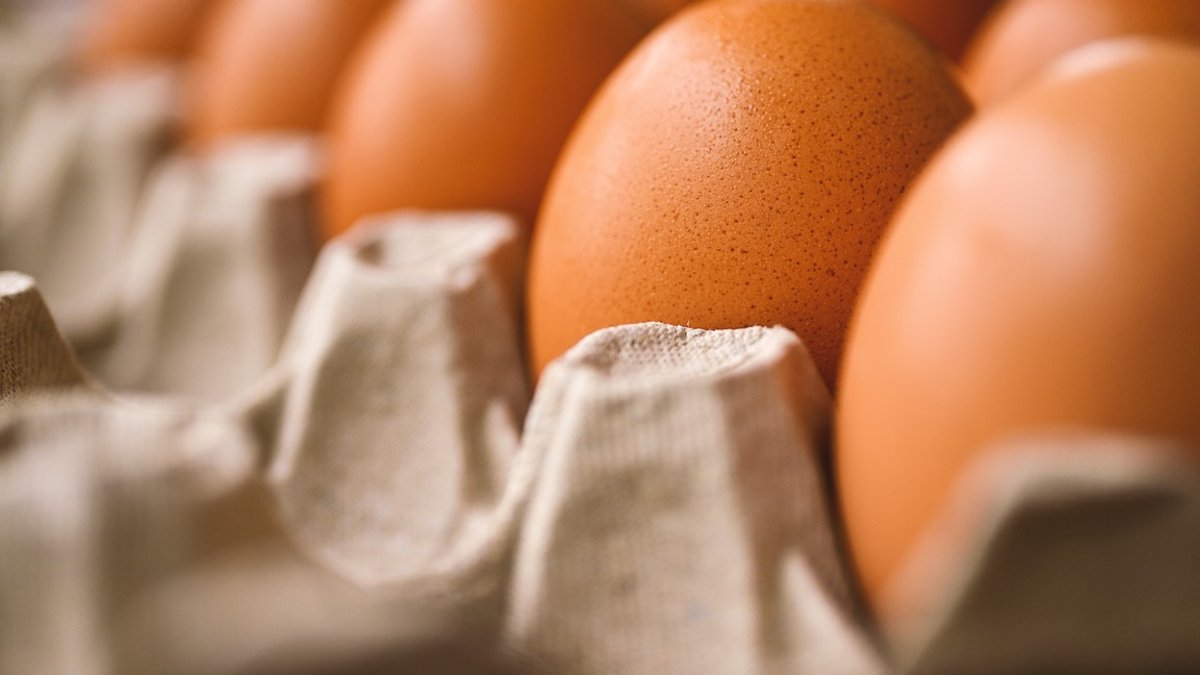
Kenya’s Central Bank faces a difficult decision on loan rates this month as food inflation, driven largely by egg prices and other staples, threatens to undermine recent economic gains.
Food and non-alcoholic drinks led the latest monthly rise in Kenya’s annual inflation, jumping 9.4 per cent, while transport costs increased 16.5 per cent. The overall headline figure reached 6.7 per cent in May 2026, up from 5.6 per cent the previous month. David Precious, a Senior Market Analyst at EBC Financial Group, says the inflation story starts before food reaches the shelf, noting that fuel, transport, and credit all shape how hard a price shock hits.
The core inflation rate, which strips out food and energy due to their volatility, remains relatively low at 3.2 per cent. This reveals a sharp split between the wider economy and the cost of basic necessities. Tomato prices, for example, surged 45.7 per cent over the year to May after heavy rain damaged farms and blocked roads. The central bank has held its main rate steady at 8.75 per cent since 9 June, pointing to higher energy and transport costs as a reason to stay cautious.
Agriculture Lacks Access to Cheap Credit
While interest rates for many sectors have fallen, lending to agriculture remains stuck at only 3 per cent to 5 per cent of total commercial bank credit. Irregular income and weak financial records also make it difficult for farmers to qualify for loans.
Related: Agricultural Innovation Sustains Egypt’s Economy
Despite a drop in the average bank lending rate to 14.5 per cent, cheap credit is not reaching food producers. Finance does not remove the risks of farming, but badly timed lending can make them worse, while better designed lending can absorb some of them, Precious said. Kenya produces about four billion eggs a year but needs roughly nine billion, a shortfall filled mainly by imports. Similar gaps exist in milk, fish, and honey.
The situation creates a complex challenge for monetary policy. Farmers expect more pressure ahead, with the Central Bank’s May 2026 Agriculture Sector Survey showing most respondents anticipate rising inflation over the next three months. This creates a narrow path for the central bank, which must balance the need to support a slowing economy with the risk of losing control over food prices.
Kenya imports a lot of their food, so when fuel and transport get pricier, food prices tend to follow. All of this makes food inflation harder to tame, with possible knock-on effects for interest rates, the shilling against the dollar, and business lending.


