
Haggling on the high street feels awkward for most shoppers. Driving a hard bargain or squabbling over a few pounds often feels contrary to British tradition. Few people dream of negotiating a discount at a supermarket or chain store. However, a simple request can slash prices significantly.
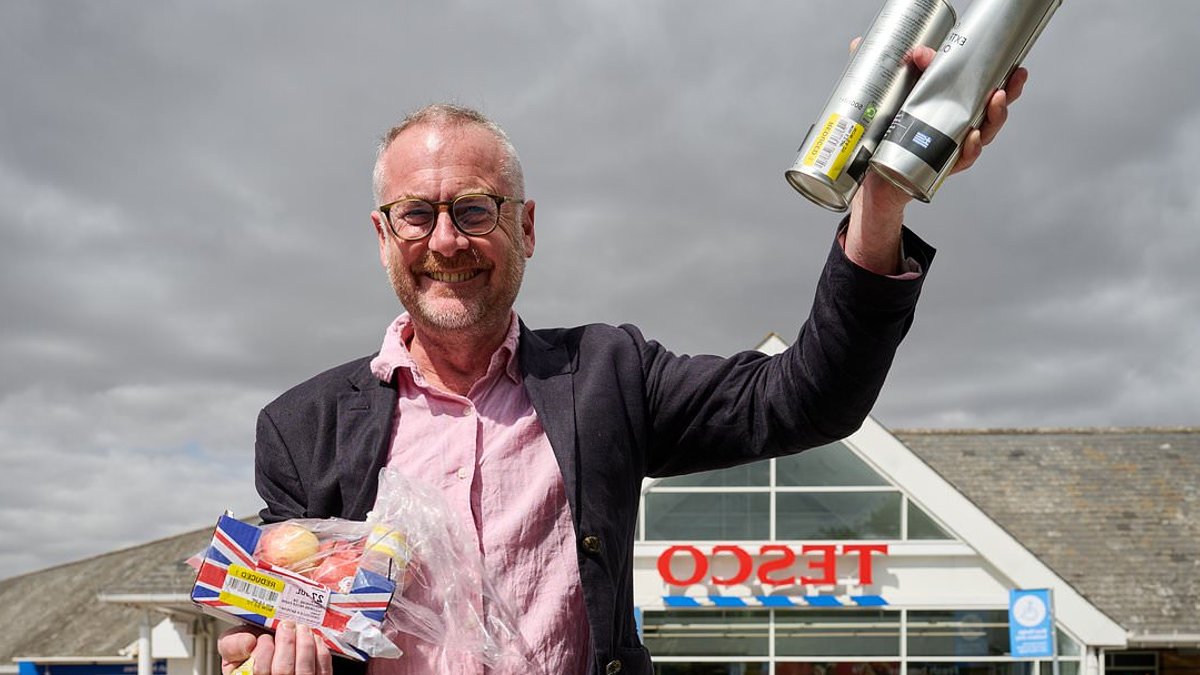
One reporter tested the waters at a Tesco in Bishop’s Stortford. He found he could save a substantial amount by focusing on imperfect goods. A sales assistant named Mandy agreed to reduce the price of a dented tin of Tesco Finest Greek olive oil by 40 percent. The item was marked down from £7 to £4.20.
Mandy guided him to the fruit and vegetable aisle. She pointed out items with “lumps, bumps and bruises” that were perfectly safe to eat. Five apples and five oranges were marked down by nearly half. She noted that many “best before” dates are unnecessary. If an item has a sell-by date of that day or the next, the chance of securing a discount increases significantly.
Related: Malaysia attracts stable capital through passive investing
Staff at Waitrose offered a different approach. A shelf stacker named Dan explained that discounts are applied around 4 pm. He starts placing “too good to waste” stickers on food expiring the next day, offering about 20 percent off. By 6 pm, a second sticker often goes on, allowing customers to pay half price for items expiring later that same day.
This strategy relies on timing and observation. The staff member did not offer a discount on damaged packages or dented tins, but he was willing to share the schedule for reducing perishable goods. Knowing when discounts are applied can save a shopper nearly 50 percent on their grocery bill.
For customers who need more than just food, Marks & Spencer offers a workaround involving donations. A manager explained that bringing in old M&S clothes could earn a £5 discount voucher for new purchases. This requires digging through a wardrobe for items that are no longer worn. It turns a decluttering task into a financial incentive.
High street tactics for clothing and books
H&M presents a challenge because it stopped price matching online prices a year ago. A department manager initially refused to adjust the price of a linen jacket found in-store. However, after a polite conversation, the manager mentioned an upcoming flash sale. She offered 20 percent off selected items the next day, provided the customer returned at that time.
Related: Gold Marks Two Decades of GDX Trading
Experts suggest treating staff with courtesy can yield results. An antiques dealer and haggling expert emphasized that being polite costs nothing. Being rude and pushy will get nowhere, while a friendly demeanor helps build rapport. This human element can turn a refusal into an opportunity for a future sale.
Bookstores like Waterstones operate differently. A store assistant named Ben confirmed they match online prices for customers. If a book is cheaper on the website, he will charge the lower amount in-store. This requires a quick check of the store’s digital inventory before approaching the counter.
There is often room for negotiation on damaged goods. Ben mentioned that a book with a folded page or slight mark might receive a 15 percent discount. However, pristine copies with a company policy price are usually non-negotiable. The key is to identify exactly what the item lacks and ask for a reduction based on that flaw.
Most people rarely consider that shop workers are often trained to offer discounts. A Boots assistant pointed out a shelf of discontinued items at half price. A Yardley talcum powder that had been out of production for decades was available for £6. These “unloved” items are often sitting on shelves, waiting for a customer to ask about them.
Related: Small caps seen as undervalued opportunity
The psychology of the deal
Choosing the right time to haggle makes a difference. Shopping during quiet hours allows staff to engage in small talk rather than rushing. It puts the customer in a position to ask about special offers without feeling like a nuisance. The staff member is more likely to be helpful when they are not overwhelmed by a queue.
Phrasing matters as much as the product. Instead of demanding a discount, it helps to say, “is there anything else you might be able to do?” or “is there any wiggle room?” An expert suggested disarmingly asking, “I don’t want to insult you with an insulting offer” to leave the decision to the assistant. This approach respects the worker’s autonomy while still pushing for a lower price.
Comparison websites like Money Supermarket report that the average discount negotiated is 13.5 percent. However, the savings potential goes much higher when focusing on damaged or imperfect items. Shoppers should be flexible and willing to walk away if the deal isn’t right. Flexibility is often the key to unlocking a better price.


