
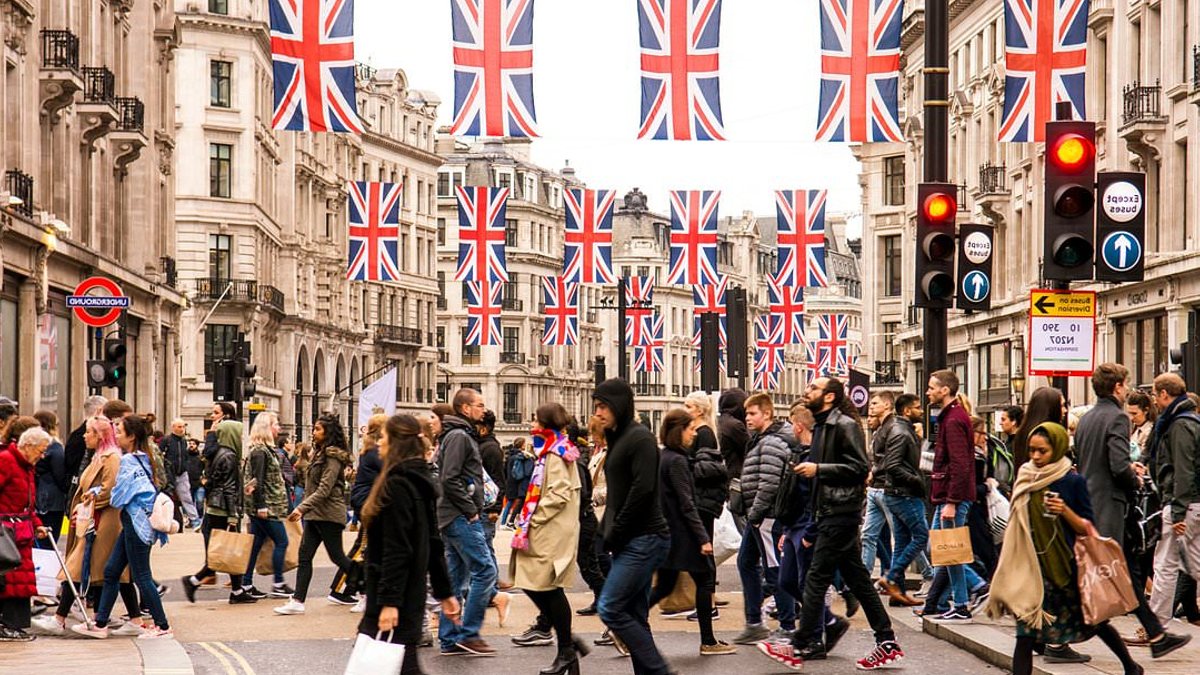
Andy Burnham is being urged to reduce the cost of doing business as High Street sales decline in the heat. The Prime Minister’s plan to save Britain’s town centers includes a clampdown on vape shops and bookmakers, but retail bosses are sounding the alarm over high taxes and red tape.
Retail sales rose by just 1.3 percent year-on-year in July, according to the British Retail Consortium, which is well below the 2.5 percent uplift seen 12 months earlier. Food sales were up 3.8 percent, but non-food sales fell 0.7 percent.
The BRC’s chief executive, Helen Dickinson, said that consumer demand has struggled in the heat, leaving retailers facing a challenging start to the second half of the year. Household budgets remain stretched, and consumer confidence is fragile.
Related: Harvey Nichols faces collapse unless rescue deal found
Retailers continue to grapple with rising operating costs, including business rates, new packaging taxes, and the rising costs of employment. The BRC is calling on the Government to reduce the cost of doing business by tackling these taxes and regulatory burdens.
Helen Dickinson added that these costs are holding back investment and putting upward pressure on prices. If the Government wants to drive growth and keep inflation under control, it must address these issues.
The heatwave has had a significant impact on High Street sales, with non-food sales hit by the decline in footfall as shoppers avoided the heat. Sarah Bradbury, chief executive of the Institute of Grocery Distribution, said that while shoppers are feeling more positive than earlier in the year, many households remain mindful of their budgets.
Related: Gold Miners Mark Two Decades of Trading
Value continues to play a central role in purchasing decisions, according to Bradbury. The football World Cup gave a boost to food sales, but the heatwave has taken its toll on non-food sales.
The BRC’s figures show that the heatwave has had a negative impact on High Street sales, and retailers are calling on the Government to take action to reduce the cost of doing business.
The Government must tackle the taxes and regulatory burdens that are holding back investment and putting upward pressure on prices. By reducing the cost of doing business, the Government can help drive growth and keep inflation under control.


